
3D Printing for Healthcare in India: Costs, Benefits & Use Cases
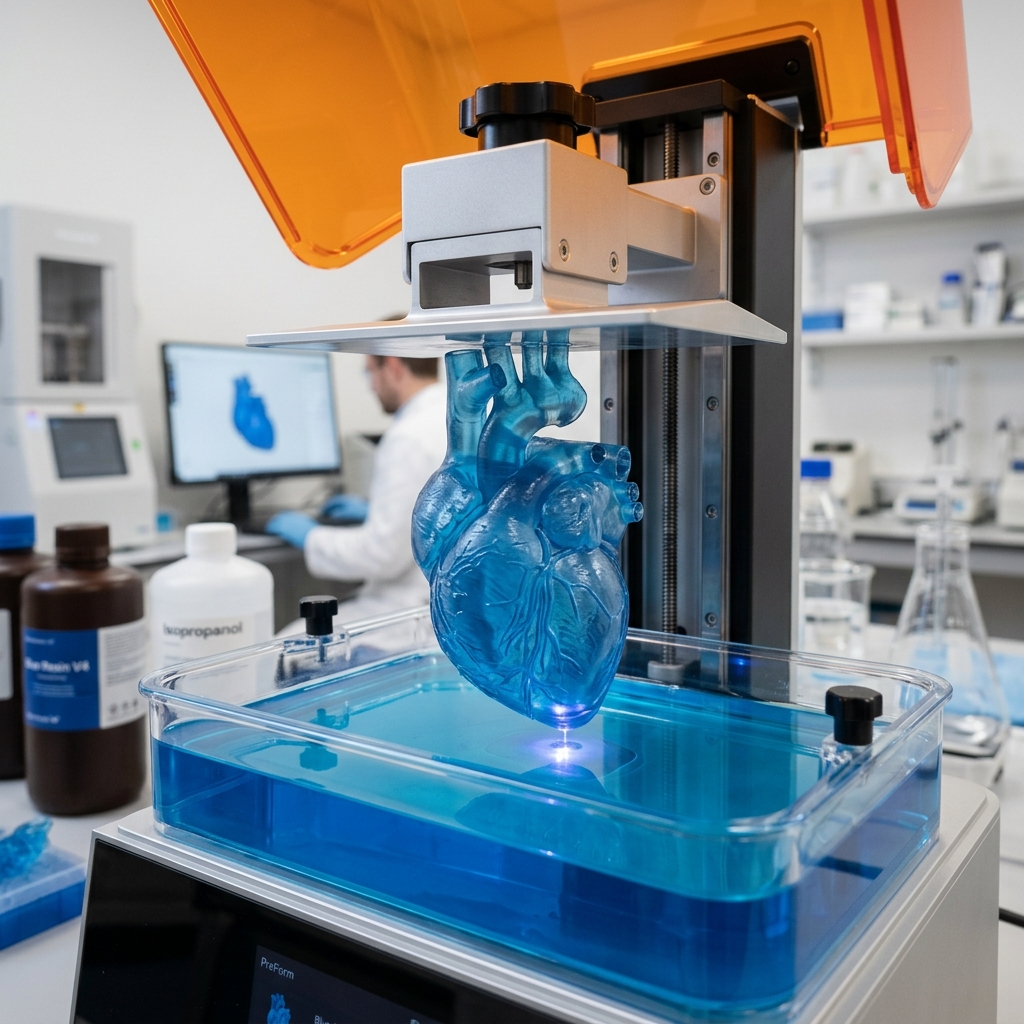
The healthcare sector in India is undergoing a dramatic transformation, driven by the integration of additive manufacturing. Traditionally, medical implants and devices were manufactured in standard, pre-fabricated sizes, forcing surgeons to manually adapt them to a patient's unique anatomy. Today, ThinkToReality's professional 3D printing services enable the production of highly personalized, patient-specific medical devices, improving clinical outcomes and enhancing patient care. By utilizing patient-specific imaging files, we bridges the gap between digital data and surgical execution.
Additive manufacturing allows for the creation of organic structures that mimic the porous nature of bone tissue, promoting osseointegration. Hospitals and research institutes across India are collaborating with ThinkToReality to design and fabricate custom titanium implants and polymer anatomical guides that match the exact shape of a patient's skeletal structure. This precision lowers the risk of surgical complications, shortens operation times, and improves long-term patient recovery rates.
Patient-Specific Implants and Prosthetics
One of the most significant breakthroughs in medical 3D printing is the creation of custom titanium implants. By converting CT and MRI scans into high-precision 3D digital models, ThinkToReality's engineering team can design implants that perfectly match the patient's skeletal architecture. This is particularly valuable in cranial, maxillofacial, and complex orthopedic reconstructive surgeries where alignment and structural integrity are paramount.
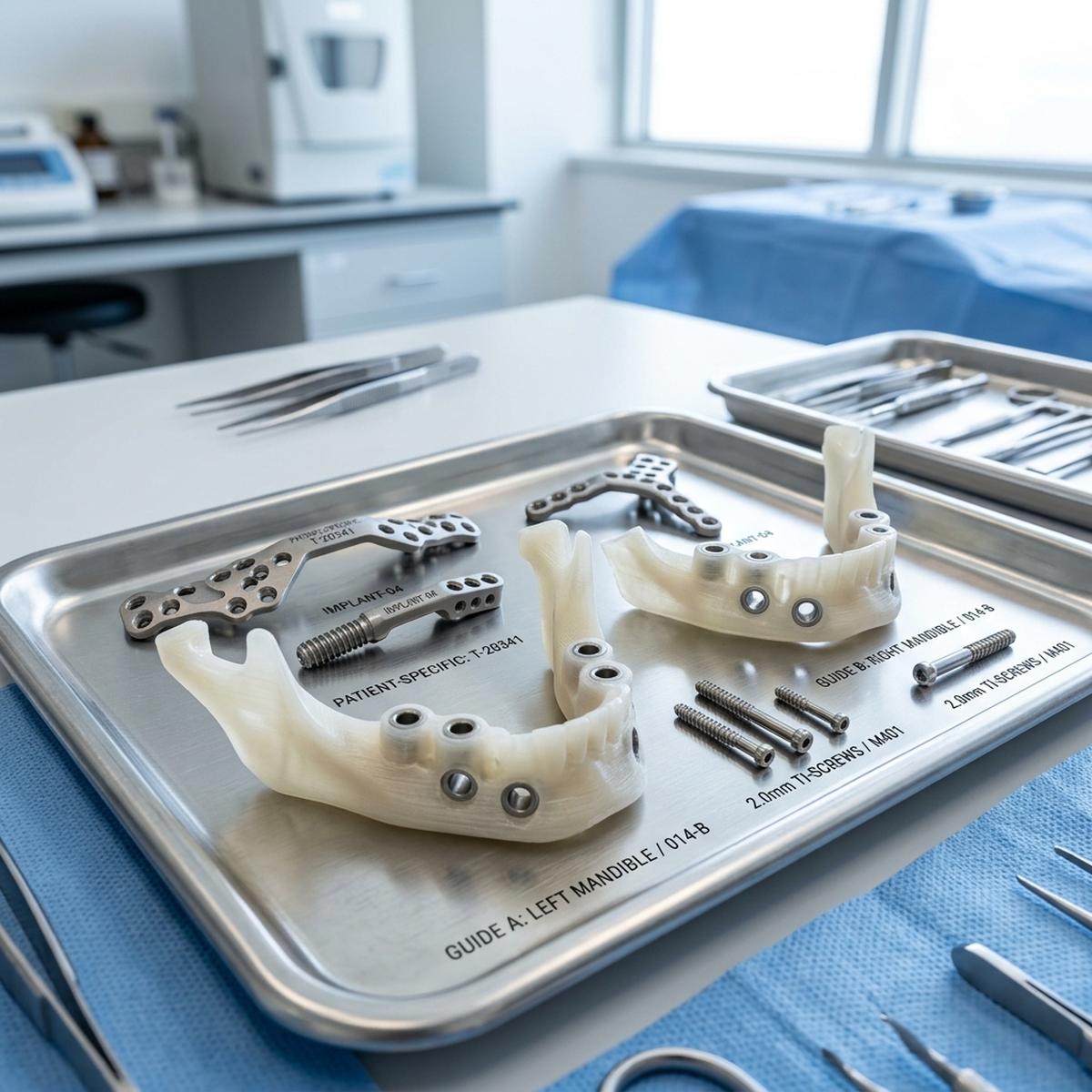
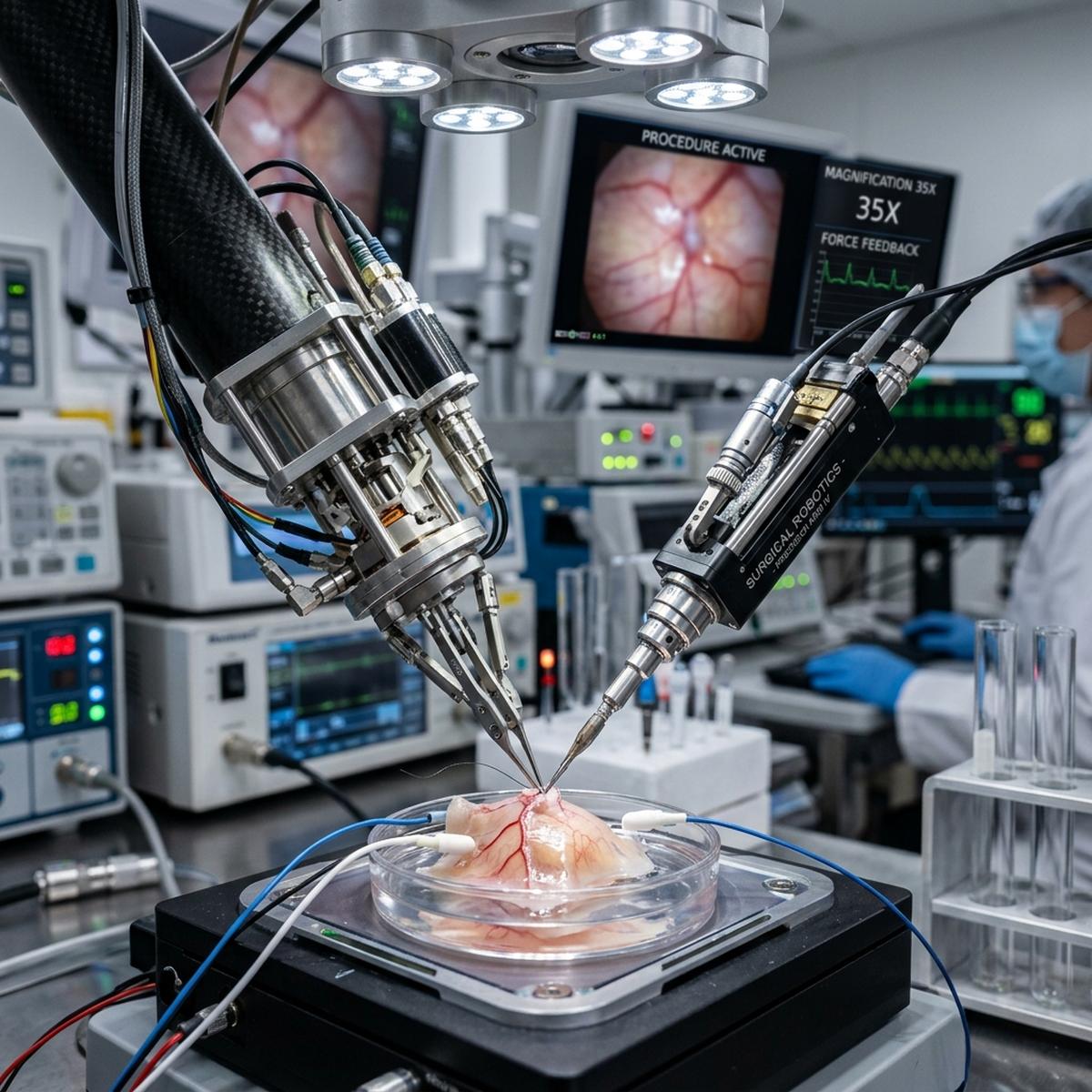
Biocompatible implant configurations and precision surgical simulation models designed at ThinkToReality.
Similarly, prosthetic limbs have become more accessible and functional. With ThinkToReality's custom prototyping, lightweight and highly adjustable prosthetics can be manufactured at a fraction of the cost of traditional devices, bringing life-changing mobility solutions to children and adults worldwide. These devices are tailored to the user's weight, activity level, and residual limb contours, preventing irritation and improving comfort.
Anatomical Models for Surgical Simulation
Before entering the operating room, surgeons can now hold a physical replica of a patient’s organ or bone structure. Using ThinkToReality's multi-material 3D printing, soft tissues, blood vessels, and hard bones can be simulated with high fidelity. This allows surgical teams to practice complex procedures beforehand, significantly reducing operating room times, minimizing unexpected complications, and accelerating patient recovery.
Furthermore, medical students and interns utilize these tactile models to study rare pathology cases, transforming classical anatomical teaching into interactive learning. ThinkToReality supports clinical trials and academic institutes by supplying precise, multi-layered models that match real patient scans.
Advanced Dental Applications
Dentistry has adopted SLA (Stereolithography) and DLP (Digital Light Processing) 3D printers at scale. From clear aligners and surgical drill guides to crown bridges and denture bases, ThinkToReality has streamlined workflow cycles for dental labs. Patients benefit from quicker fittings, highly accurate dental alignments, and reduced clinic visit times. By digitizing the impression process, labs can scale production with minimal material waste.
Conclusion: The Future of Additive Medicine
As materials science advances, the medical field is moving closer to bioprinting functional living tissues and organs. The synergy between medical imaging, CAD design, and high-precision 3D printing is breaking boundaries, making ThinkToReality's personalized medicine solutions the new standard of care globally. Our custom production facility supports doctors and medical suppliers in making healthcare safer and more efficient.
Related Insights
3D Printing in Architecture: Building the Future, One Layer at a Time
Learn how architects use 3D printing to create detailed models, construct complex shapes, and turn digital concepts into physical realities.
Reverse Engineering in Product Development: From 3D Scan to CAD Model
Learn how 3D laser scanning and reverse modeling services accelerate product design, replicate legacy components, and optimize industrial parts.