
Top Industries Using 3D Printing Pune: Applications, Benefits & Real Use Cases
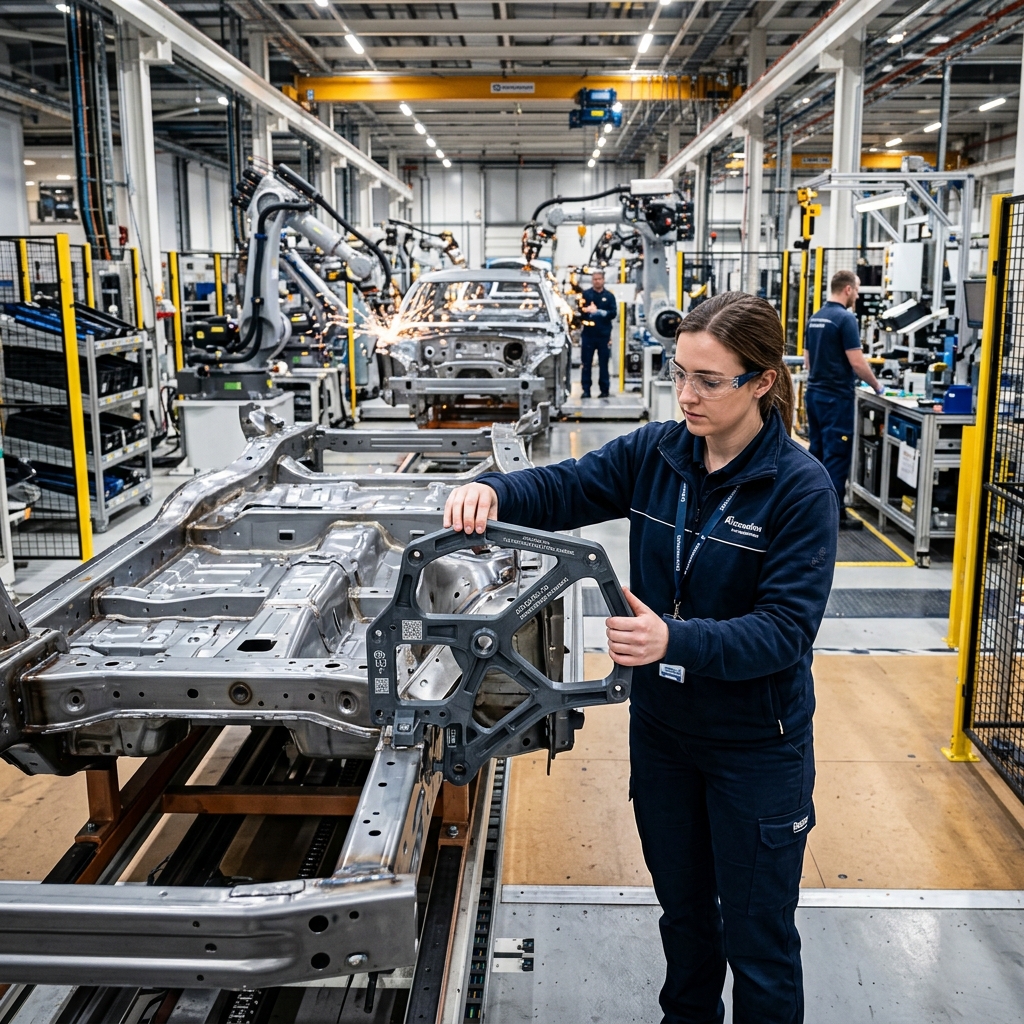
Pune is one of India's leading industrial and automotive manufacturing hubs. Over the past decade, local businesses and factories have integrated ThinkToReality's high-fidelity 3D printing services into their workflows to accelerate product design, reduce tooling costs, and support low-volume production. This shift to digital manufacturing supports the local supply chain.
Automotive OEMs and Tier-1 suppliers in Pune utilize additive manufacturing to support their daily assembly line operations. Custom manufacturing allows local plants to respond to layout changes faster, eliminating the delays associated with traditional casting. ThinkToReality acts as a reliable prototyping partner for Pune's manufacturing hub.
The Automotive Hub Leading the Way
As the heart of automobile manufacturing in India, Pune's automotive plants utilize ThinkToReality for design validation and assembly floor operations. Custom jigs, fixtures, and templates are printed in-house, replacing heavy steel tools with lightweight, ergonomic plastic parts. This speeds up assembly times, reduces worker fatigue, and saves thousands in manufacturing delays.
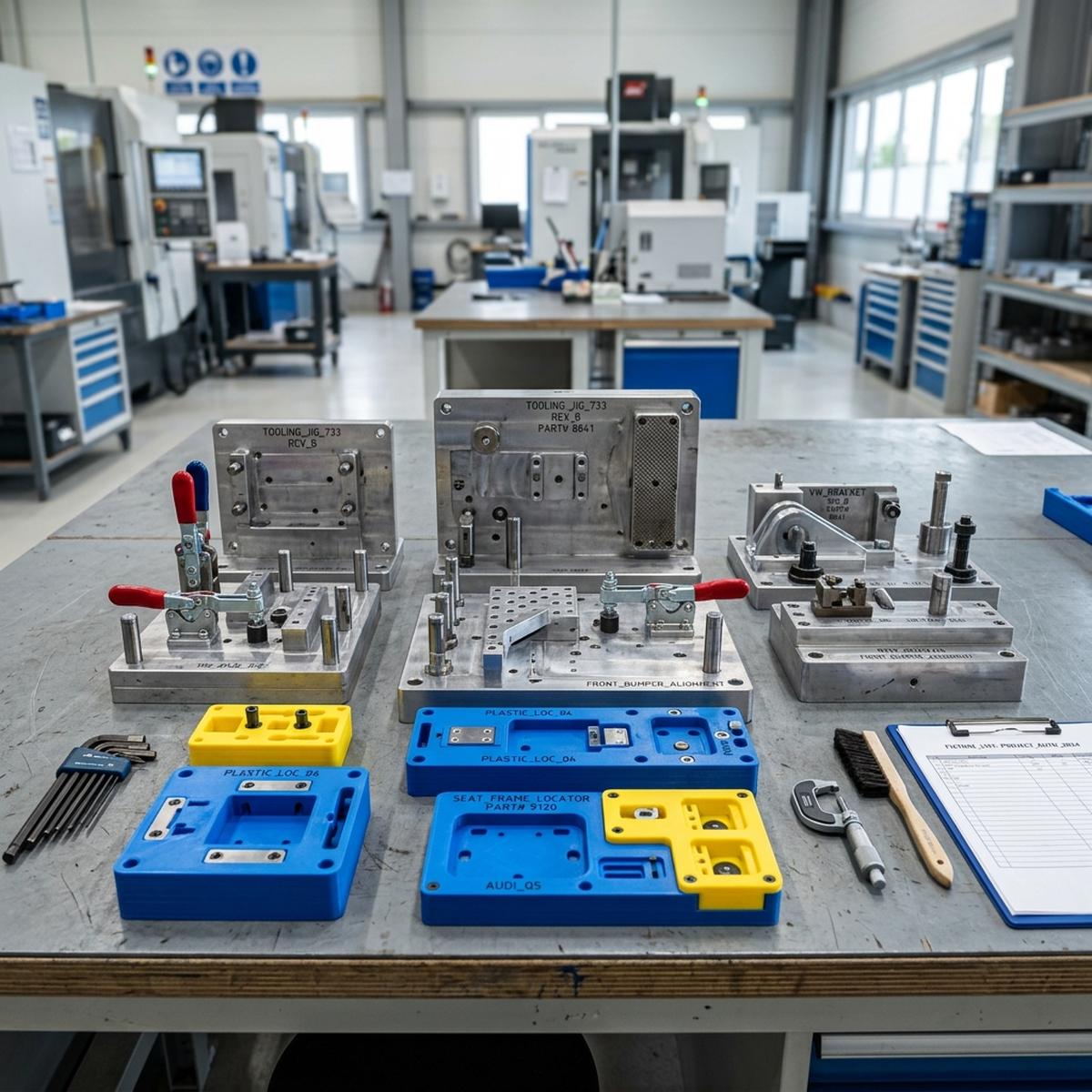
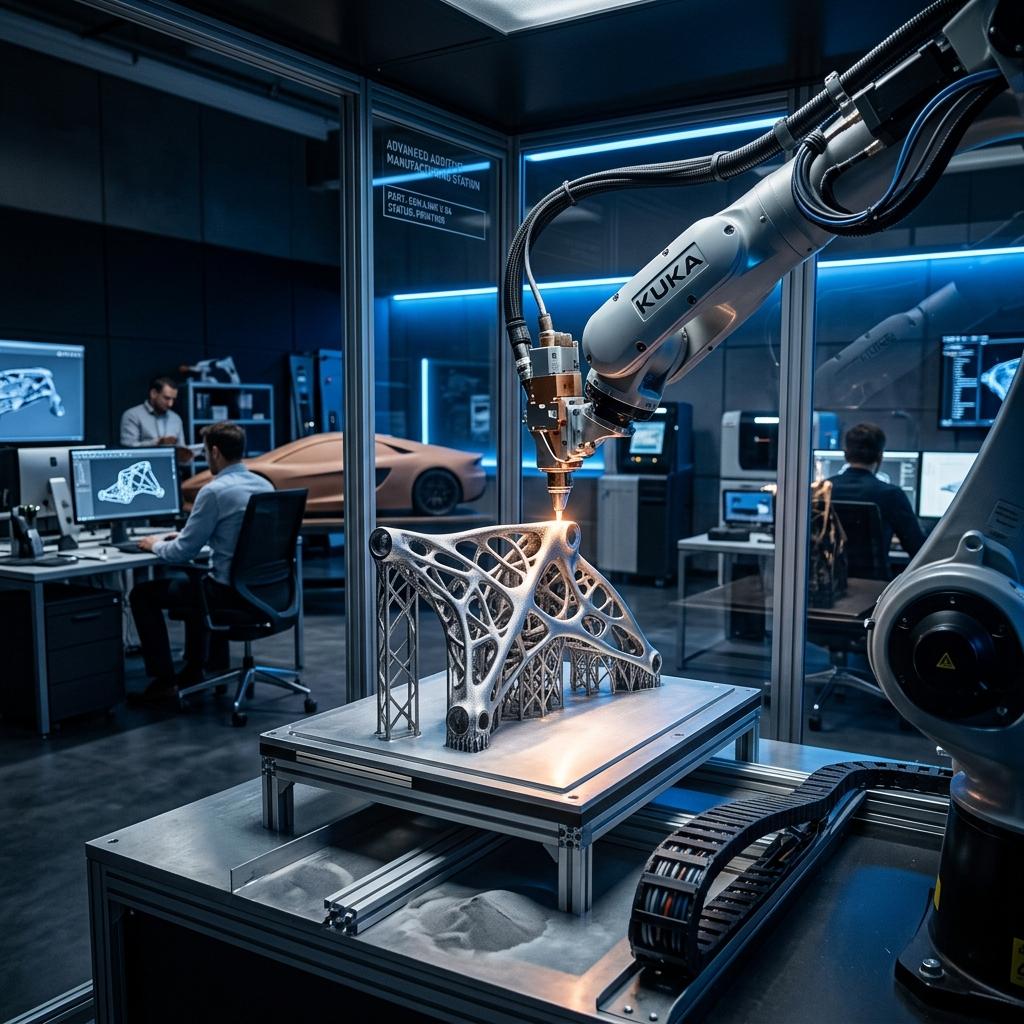
Precision automotive templates and vehicle model assemblies manufactured at ThinkToReality.
These customized jigs align with individual car doors, chassis segments, and electronic consoles, ensuring assembly accuracy. Using durable thermoplastics like carbon-fiber filled Nylon, ThinkToReality's parts withstand the mechanical impacts of high-speed assembly lines.
Rapid Prototyping and Tooling in Manufacturing
Traditional CNC machining and injection molding require weeks to produce early-stage molds. ThinkToReality allows Pune’s engineering firms to print prototype parts overnight, verify clearance fits, and iterate designs in a matter of hours. This rapid cycle reduces product development timelines by up to 70%.
By prototyping functional sub-assemblies before cutting steel molds, manufacturers can prevent costly design mistakes. ThinkToReality's instant online quote platform helps engineering managers budget and order prototype prints in seconds.
Medical and Healthcare Innovation
Pune's medical labs and clinics use ThinkToReality's FDM and SLA technologies to print customized anatomical models for surgical pre-planning. Having a physical 3D model of a patient's skeletal structure helps surgeons plan and practice complex procedures, minimizing surgery times and improving patient recovery outcomes.
Summary
From custom assembly tooling on car factory floors to patient-specific anatomical models in medical clinics, Pune's industries leverage ThinkToReality's additive manufacturing solutions to drive speed, efficiency, and industrial innovation.
Related Insights
3D Printing for Healthcare in India: Costs, Benefits & Use Cases
Discover how 3D printing is revolutionizing healthcare in India, from custom implants and prosthetics to surgical simulations and anatomical models.
3D Printing in Architecture: Building the Future, One Layer at a Time
Learn how architects use 3D printing to create detailed models, construct complex shapes, and turn digital concepts into physical realities.