Back to Blog
3D Printing

Industrial 3D Printing Services in India: Technologies, Materials, Costing & Scale Production Guide
ThinkToReality Team
October 07, 202615 mins read
Industrial 3D Printing Services in India: Technologies, Materials, Costing & Scale Production Guide

Industrial 3D printing (additive manufacturing) has evolved from a simple visual prototyping tool into a high-speed, direct digital manufacturing technology across India. From aerospace rocket injectors in Bengaluru and automotive assembly jigs in Pune to custom medical device housings in Delhi NCR, industrial additive manufacturing allows engineering teams to fabricate complex geometries with zero tooling costs and rapid 24-to-48-hour turnarounds.

However, choosing the wrong 3D printing technology or material can lead to mechanical part failures, poor surface finishes, or inflated production budgets. In this in-depth guide, ThinkToReality breaks down the core industrial 3D printing technologies, engineering materials, cost calculation formulas, and how to scale from single prototypes to batch manufacturing.

1. Industrial 3D Printing Technologies Compared

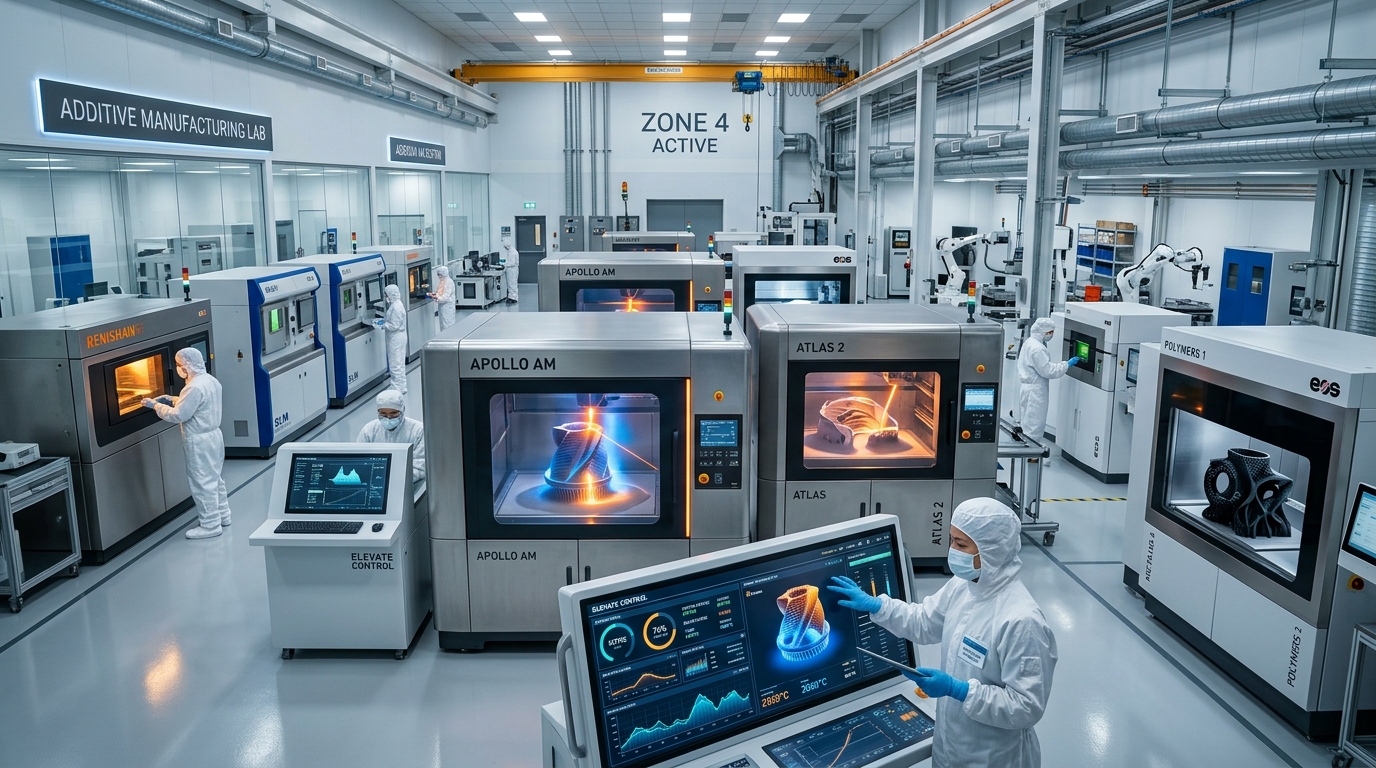
Industrial additive manufacturing encompasses four primary technologies, each designed for specific mechanical, aesthetic, and thermal requirements:
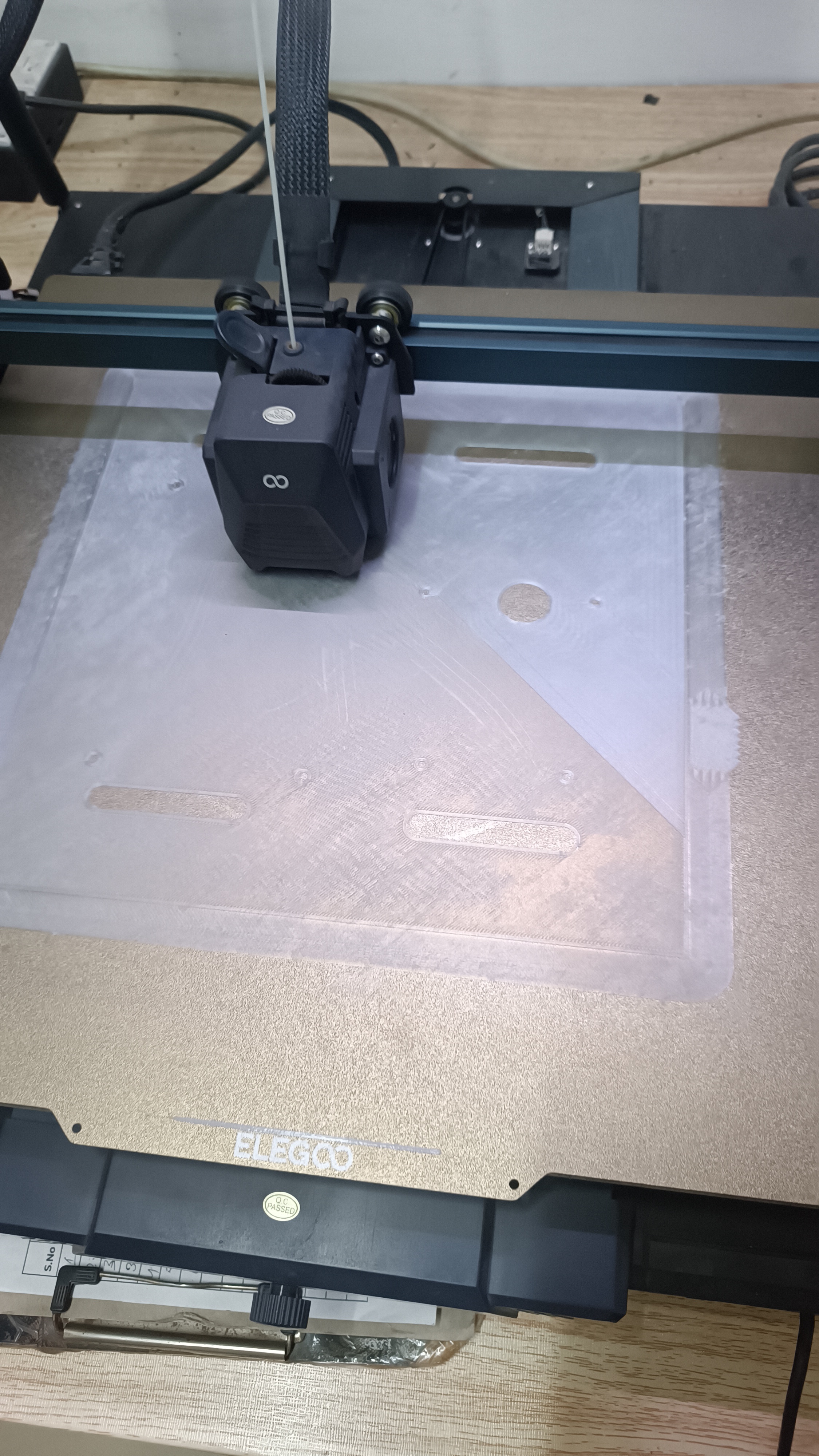
Industrial FDM and SLS print farm operations producing functional prototype batches at ThinkToReality. - Image 1
Industrial FDM and SLS print farm operations producing functional prototype batches at ThinkToReality. - Image 2

Industrial FDM and SLS print farm operations producing functional prototype batches at ThinkToReality.
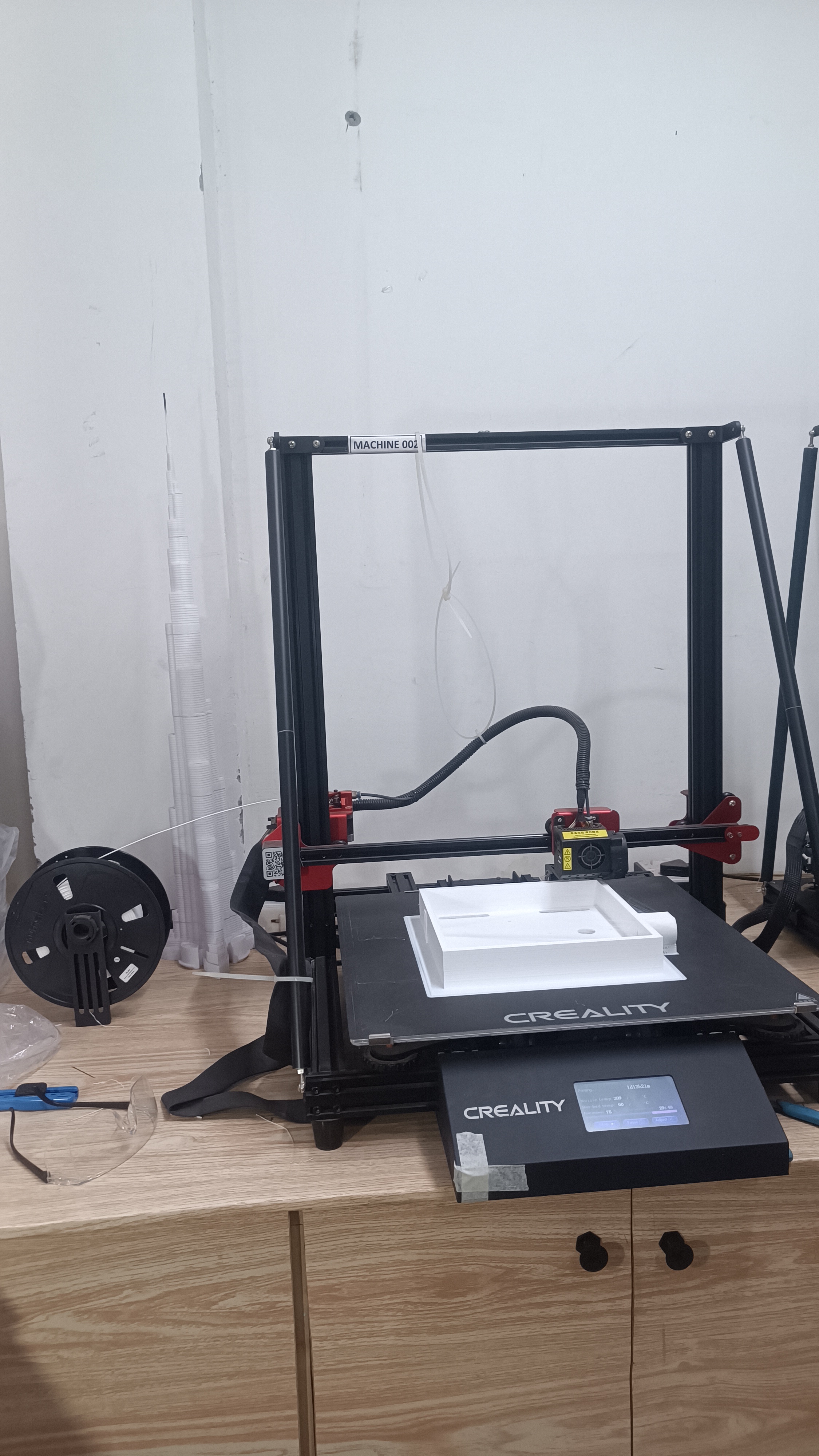
FDM (Fused Deposition Modeling): Industrial FDM extrudes production-grade thermoplastics (ABS, Carbon Fiber PLA, PETG, Nylon) layer-by-layer. Best for large functional brackets, drone structural frames, and heavy factory assembly jigs. Delivers high impact resistance at the lowest cost per volume.
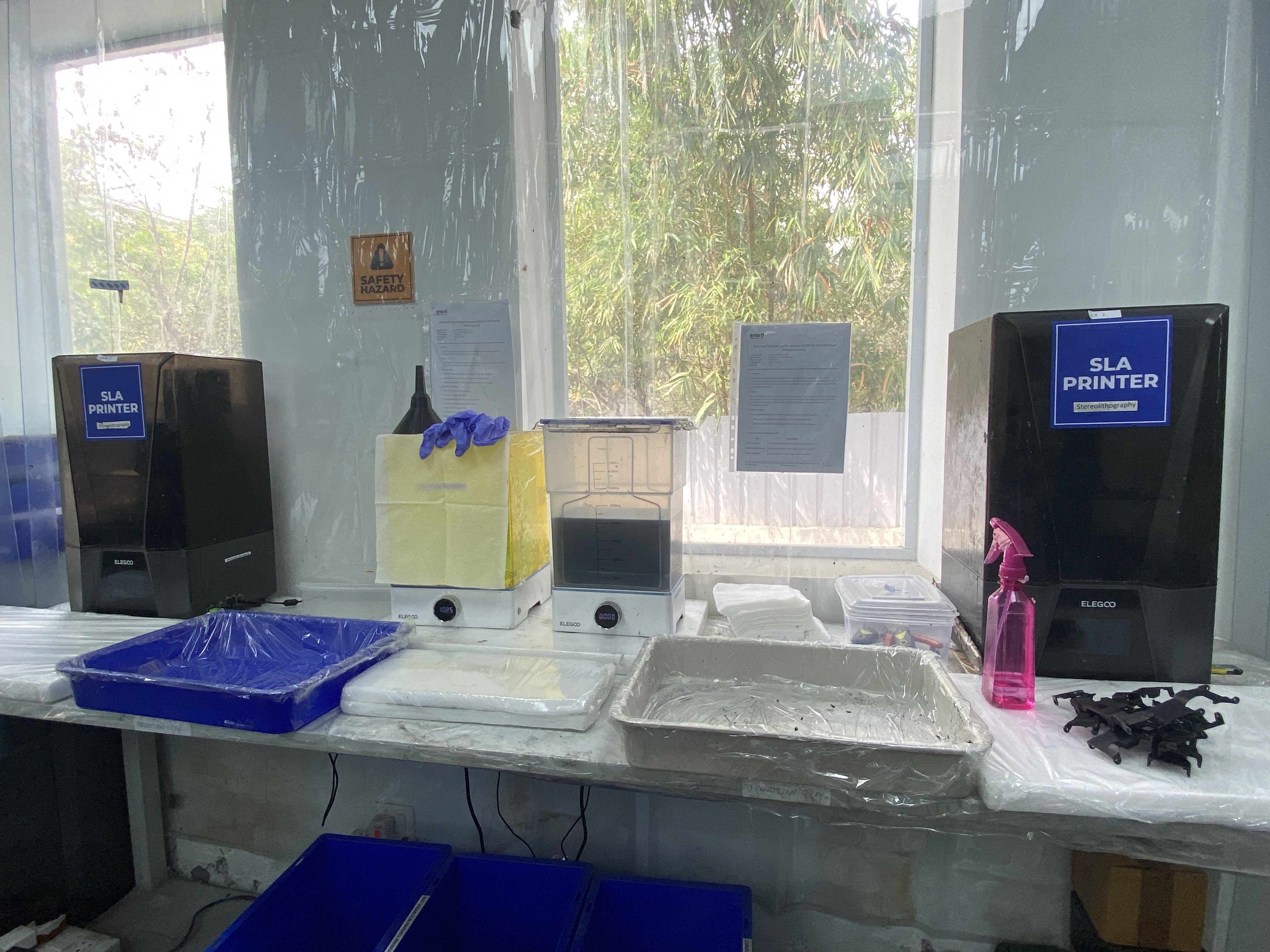
SLA (Stereolithography - UV Resin): SLA uses an ultraviolet laser to photopolymerize liquid resin into ultra-smooth parts with layer heights down to 25 microns. Essential for high-detail cosmetic models, medical housings, and master patterns for silicone vacuum casting.
SLS (Selective Laser Sintering - Nylon PA12): SLS uses a high-power CO2 laser to fuse powdered nylon particles into robust, isotropic end-use components. Because unsintered powder supports the part during printing, SLS requires zero support structures, enabling complex internal channels, living hinges, and snap-fit assemblies.
DMLS (Direct Metal Laser Sintering - Metal 3D Printing): DMLS sinters fine metal powders (Titanium Ti-6Al-4V, Stainless Steel 316L, Aluminum AlSi10Mg) into dense, high-strength metal components for aerospace, defense, and surgical tooling.
High-precision industrial SLA additive manufacturing system at ThinkToReality Delhi NCR facility.

High-precision industrial SLA additive manufacturing system at ThinkToReality Delhi NCR facility.

2. Engineering Materials Guide: Selecting the Right Polymer or Metal

Selecting the optimal material determines your product's tensile strength, heat deflection temperature (HDT), and environmental resistance:

PLA & Tough PLA: Excellent dimensional stability, low shrinkage, rigid. Best for initial form & fit concept validation models.
ABS & ASA: High thermal resistance (up to 95°C) and UV stability. Ideal for automotive exterior trims, electronic casings, and outdoor housings.
Nylon PA12 / PA11 (SLS): High tensile strength, fatigue resistance, and chemical stability. Ideal for functional mechanical gears, snap-fits, and end-use industrial parts.
Carbon Fiber Nylon (CF-PA): Ultra-high stiffness and lightweight strength, serving as a direct replacement for machined aluminum brackets in drone and robotics applications.
Medical Biocompatible Resins: ISO-certified resins safe for dental surgical guides, patient skin contact, and custom clinical orthotics.

3. Understanding Industrial 3D Printing Costs in India

How are commercial 3D printing services priced in India? Understanding the cost formula helps you optimize your CAD models before ordering:

1.
Material Volume (cm³ / Grams): The raw volume of plastic or metal consumed by the part model and internal infill grid.
2.
Build Height & Machine Time: Z-axis layer height directly affects print duration. Taller parts take longer to scan and slice.
3.
Support Material & Orientation: Optimal build orientations minimize support scaffold generation and reduce post-processing sanding labor.
4.
Post-Processing Finishes: Bead blasting, UV curing, chemical vapor smoothing, and custom electrostatic spray coating.

4. Scaling from 1 Prototype to 1,000 Units (Print Farms)

For production volumes between 50 and 1,000 units, traditional injection mold tooling (₹2.5 Lakh to ₹8 Lakh tooling upfront) can be financially prohibitive for startups. ThinkToReality operates an automated multi-machine industrial 3D print farm network in Delhi NCR. By parallelizing production across 20+ machines, we deliver hundreds of end-use parts within 3 to 5 working days with zero upfront tooling investment.

5. Best Practices: How to Prepare Your 3D CAD Files

Export in .STEP or High-Resolution .STL: Always export boundary-representation solids in .STEP or Parasolid format for maximum dimensional precision.
Maintain Minimum Wall Thickness: Keep FDM walls ≥ 1.2mm, SLA walls ≥ 0.8mm, and SLS walls ≥ 1.0mm to avoid warping during cooling.
Hollow Out Thick Volumes: Large solid masses increase cost and thermal warping. Adding internal honeycombs or escape drain holes reduces weight by 40%.

Conclusion: Get Instant Industrial 3D Printing with ThinkToReality

From one-off rapid prototype verification to low-volume batch supply runs, ThinkToReality delivers industrial additive manufacturing backed by strict dimensional CMM quality inspection and fast pan-India shipping. Upload your 3D CAD files today for an instant engineering review and quote.

Related Insights

Sheet Metal Fabrication

Sheet Metal Design & Precision Fabrication Guide: DFM Guidelines, Bending Tolerances & Manufacturing in India

A definitive engineering guide to precision sheet metal design and custom fabrication in India. Learn essential DFM rules, K-factor & bend deductions, CNC fiber laser cutting, press brake forming, materials, and regional manufacturing across Delhi NCR, Pune, Bengaluru & India.

October 09, 2026Read
Industrial Design

Industrial Product Design & Development: Complete Engineering Guide from Concept to Mass Production in India

Master the full lifecycle of industrial product design and development in India. Learn concept sketching, parametric 3D CAD modeling, DFM optimization, prototyping, and tooling scaling.

October 07, 2026Read